


NASSAU, BAHAMAS – Flying in and out of the Bahamas could become more expensive, and local aviation operators say it’s passengers who could end up paying the price.
At the center of the controversy are fees charged by the Bahamas Air Navigation Services Authority for aircraft using Bahamian airspace.
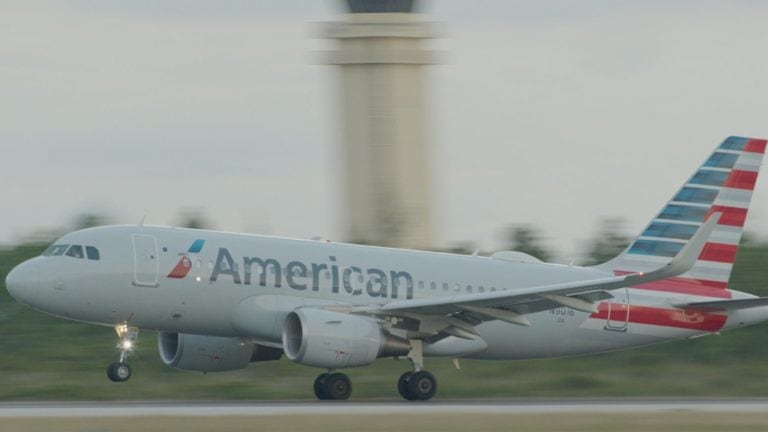
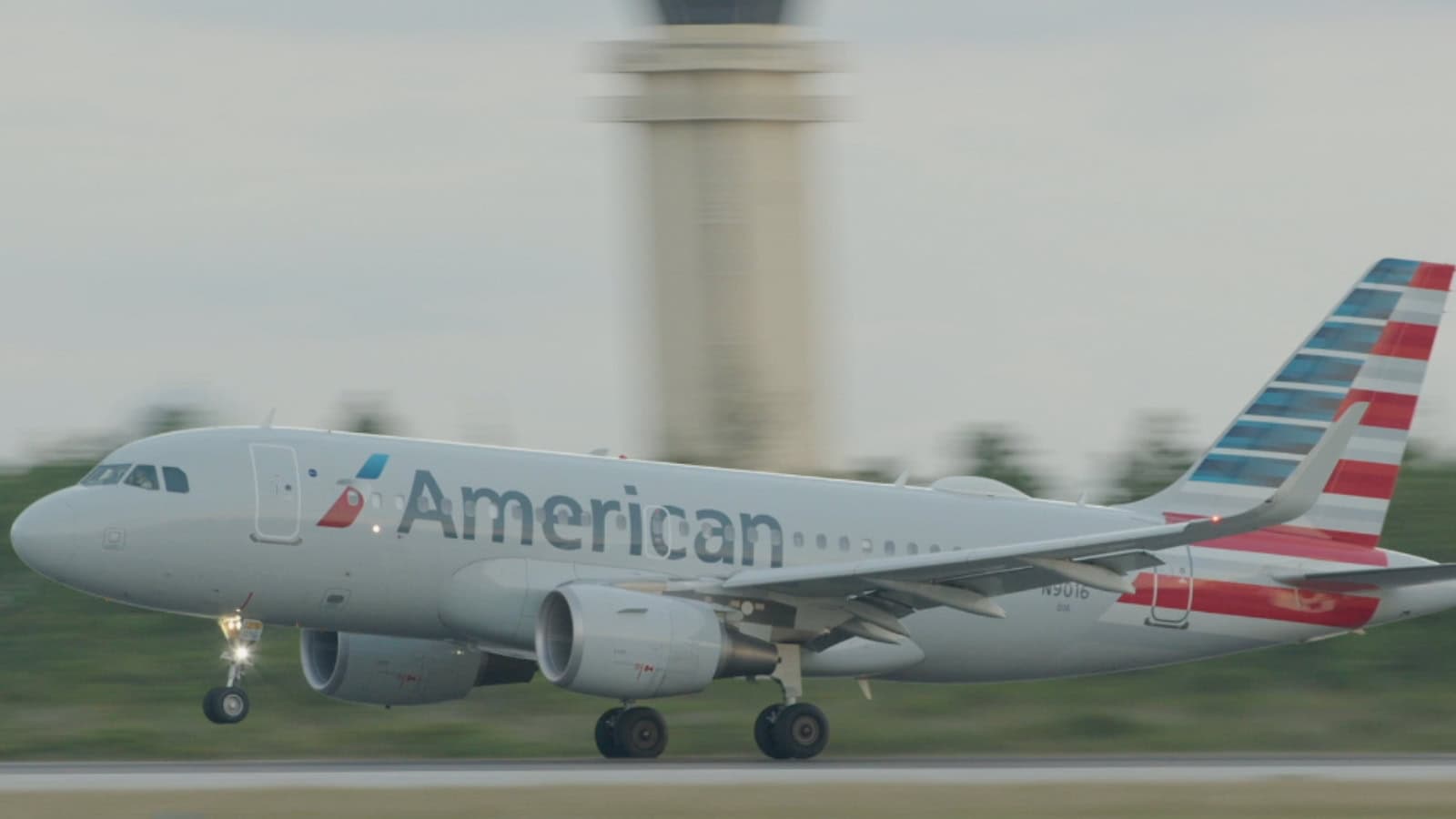
Major U.S. airlines represented by Airlines for America, are challenging those charges, questioning whether they’re paying for services already provided by the U.S. Federal Aviation Administration.
Following this, local aviation operators are now raising their own concerns.
Paul Aranha – President, Trans Island Airways
“In the ICAO charging guidelines, we can only charge on a cost recovery basis. So the fact that…our fees are structured with the heavy reliance on overflight fees versus origin and destination charges for our air navigation services…the US operators do have a reason to dispute what’s happening…”
Overflight charges aren’t the only fees facing pushback. Last year, the government signed an agreement with the Bahamas Aviation, Climate and Severe Weather Network (BACSWN), to provide aviation weather services.
However, for smaller Bahamian airlines, the concern goes beyond the cost of operating an aircraft.
Operators warn that additional fees could make it harder to keep planes in the air, especially on routes to the Family Islands, where air travel is often a necessity, not a luxury.
Also, if those costs are passed on to passengers, it could mean more expensive tickets, fewer flight options, and added tourism pressure.
Paul Aranha – President, Trans Island Airways
“For our domestic flights that go to the Family Islands that are served on five to nine seat airplanes, those passengers are gonna pay a significant difference in their per ticket cost just because of the nature of how the costs have to be recovered, and how few people it is to spread that out over. So the impact could be devastating really to Bahamian operators.”
The dispute is also raising a bigger question: Who should be paying for air navigation services, and whether the current charges are fair?
While Airlines for America is challenging the existing fees, local operators are worried about the possibility of additional costs, but, the government is striking a more optimistic tone, saying discussions with the parties involved are moving in the right direction.
Paul Aranha – President, Trans Island Airways
“I hope that those principles that they’re discussing in their statement are applied. We need them to be successful. We need the Bahamian government to resolve the issues with the US airlines, because [its] the only way that aviation in this country can become investable.”
However, Aranha believes BACSWN’s weather services should be optional, especially since The Bahamas already has its own Department of Meteorology.
He warns that making the charges mandatory could hurt aviation and tourism.