
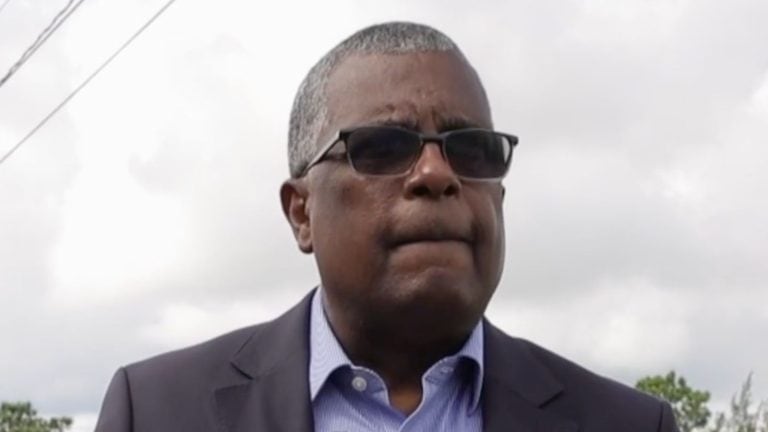

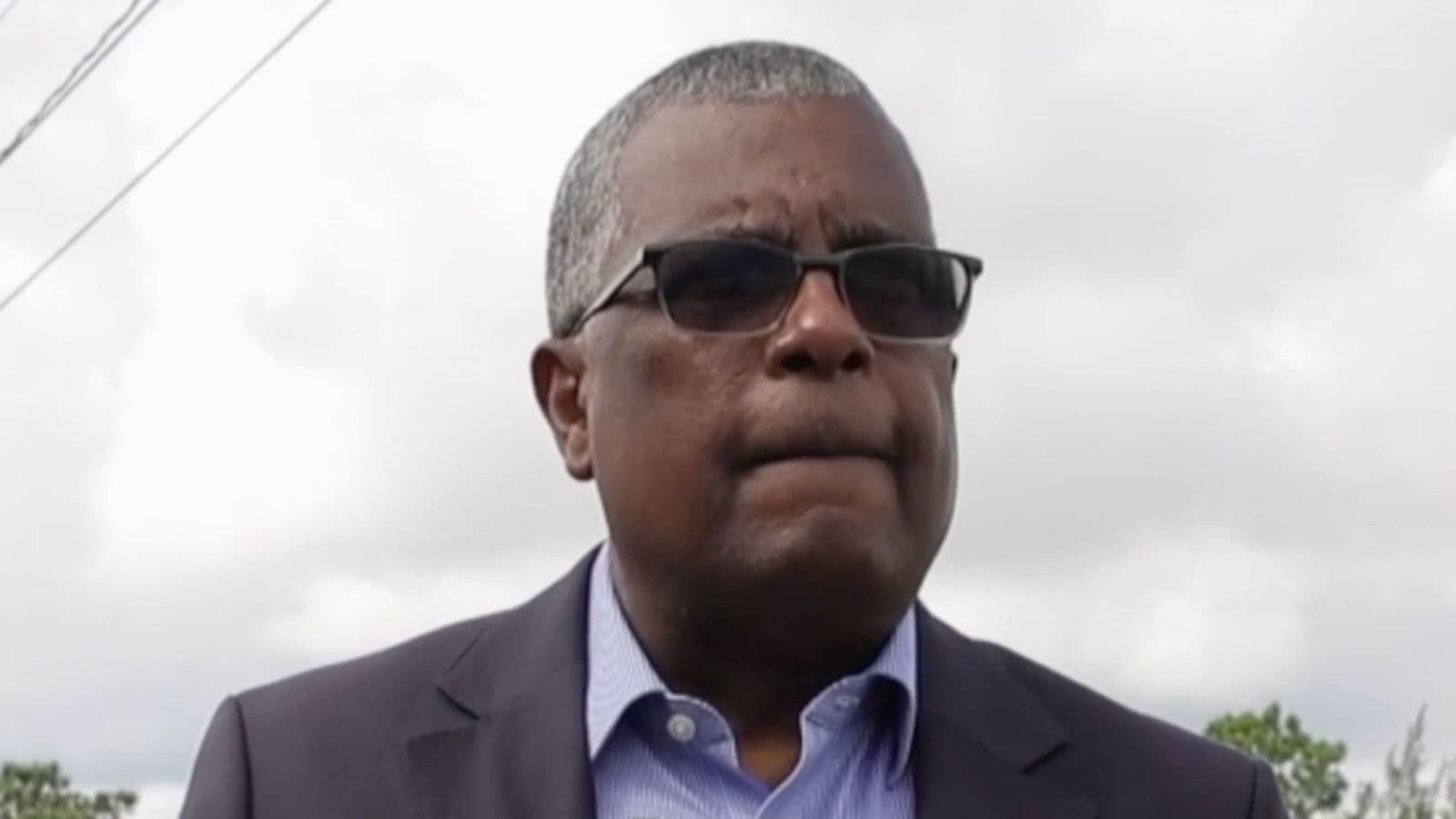
GRAND BAHAMA, THE BAHAMAS – The future of Freeport and who should be responsible for its development are back in the spotlight – after PLP Chairman Fred Mitchell toured six sites across Grand Bahama Friday, raising concerns about the condition of the city’s infrastructure and what he says is the need for greater investment.
Mitchell says the conditions points to bigger questions about the Grand Bahama Port Authority’s ability to maintain the city, as the Hawksbill Creek Agreement moves closer to its 2054 expiration.
The tour comes weeks after the prime minister unveiled his vision for Grand Bahama and invited residents to have their say on the island’s future.
From the Grand Bahama International Airport to roads, bridges and other locations across Freeport, PLP Chairman Fred Mitchell says his tour of six sites Friday highlights what he believes are serious questions about the city’s infrastructure and its long term maintenance.
With the Hawksbill Creek Agreement set to expire in 2054, Mitchell argues the conversation about Freeport’s future, including who should be responsible for its development and maintenance, cannot be put off.
He is also urging residents to weigh in through www.gbframework.com, saying the issues he highlights are a part of a much bigger conversation about the future of the city.
“Well, I’m holding the bag because I don’t want 2054 to come, and the Bahamian people are left holding the greasy bag. With nothing in it. Because the history of the Grand Bahama Port Authority, in recent times, is this. As soon as an asset becomes difficult to maintain, they hand it off to the.. The government for next to nothing, and then leave the Bahamian taxpayers to pay. So that’s why I say, symbolically, we don’t want to be left holding the bag in 2054.”
Then, the tour moved to an area off Fortune Bay Drive near the Sir Jack Hayward Bridge.
Mitchell pointing to the area as another example of what he believes are the broader maintenance challenges facing Freeport.
“Port Authority, as a result of the public pressure we’ve been putting on them, announced that, they’ve set aside $2 million for road repair. In Ground Bahamas, Freeport. The estimate of the Ministry of Works is that it takes about a million dollars per mile to fix a road in the Bahamas. So how much, how many roads can that fix in Freeport? These roads are at the end of their shelf life, because they were done in the original development. “
Another stop on the tour was Taino Beach Bridge, where weight restrictions and the use of a temporary causeway have become part of the discussion about access for residents and businesses.
Mitchell says his repeated visits to the bridge reflect a larger concern about whether the Grand Bahama Port Authority has the financial and technical capacity to maintain Freeport’s infrastructure.
“This is my fourth Christmas, if I make it, to the 25th of next month, coming out here, asking why this little bridge can be fixed. And we’re making the point, not specifically about the bridge, but about the larger point is, do you have the resources to maintain a city that you’re boasting about? You own the city,, you have been here for 70 years, and we mustn’t throw the baby out with the bath water. But the fact is, the investment does not is underperforming. The asset needs fixing, and it appears that the funding nor the expertise is there to do that.“