
National
PM Signals Need for Shift in Grand Bahama Governance Model
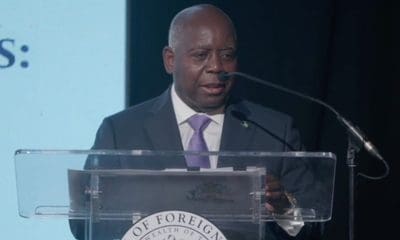
GRAND BAHAMA, THE BAHAMAS – Prime Minister Philip Davis put a name to a frustration that many Grand Bahamians say they’ve felt for years. A system he describes as corporatocracy, where corporate interests can carry more weight than the voices of ordinary people.

GRAND BAHAMA, THE BAHAMAS – Prime Minister Philip Davis put a name to a frustration that many Grand Bahamians say they’ve felt for years. A system he describes as corporatocracy, where corporate interests can carry more weight than the voices of ordinary people.
In Grand Bahama, that conversation centers on the Hawkbill Creek agreement signed in the 1950s which gave the Grand Bahama Port Authority broad control over how the island develops – from land use, to infrastructure, and major projects.
Philip Davis – Prime Minister
“It gave extraordinary concessions and wide powers to a small group in the hope they would build what government could not. And they did build. The harbour, the early hotels, the industrial area – all of that came from that bargain. “
Davis acknowledged those early deals that helped create the Freeport many know today but he says the same system also left major gaps.
Philip Davis – Prime Minister
“Authority ceded without enough accountability. Decision-making concentrated in a few hands. Bahamians absent from the table.Over time, that structure hardened into something else.”
In practical terms, the Prime Minister says that can mean slow decisions, stalled projects, and limited opportunities for Bahamians to participate in development.
Davis also concedes successive governments allowed private agreements to grow stronger than public institutions, weakening the state’s ability to step in when things aren’t working.
Davis suggested the need for a new model that ensures government plays a direct role in key systems that affect daily life.
Philip Davis – Prime Minister
“It says this island is not a private enclave, it is part of one country. The national government cannot stand outside the fence while key systems underperform. Energy, airports, ports and land use are essential infrastructure. They affect public safety, the cost of living and competitiveness.”




Fourth Annual Grand Bahama Oktober Fest Set For New Location

Diplomatic Week Puts The Bahamas’ Global Relationships In Focus

Tourism Director General Eyes Another Record-Breaking Year

Haitian Gangs Target Foreign Troops in Biggest Attack Since New Force Arrived

Albertans Vote on Path to Independence as Carney Fights to Keep Canada United

Paris Police Issue Overnight Curfew in 2 Areas of French Capital

Man Remanded On Murder And Attempted Murder Charges
Man, Aunt Charged After Woman Allegedly Attacked During Parental Dispute
Gardiner Fights To Have Evidence Thrown Out
Albertans Vote on Path to Independence as Carney Fights to Keep Canada United
Paris Police Issue Overnight Curfew in 2 Areas of French Capital
Haitian Gangs Target Foreign Troops in Biggest Attack Since New Force Arrived
Fourth Annual Grand Bahama Oktober Fest Set For New Location
Diplomatic Week Puts The Bahamas’ Global Relationships In Focus
Tourism Director General Eyes Another Record-Breaking Year

GFNY Bahamas Combines Racing, International Exposure

Service Station Operators: “Government Should Look at Every Way Possible to Alleviate the Burden Where They Can”

Baha Mar Crews Work Overtime to Bring Culinary and Arts Festival to Life

-
 National20 hours ago
Man Remanded On Murder And Attempted Murder Charges
-
Court20 hours ago
Man, Aunt Charged After Woman Allegedly Attacked During Parental Dispute
-
Court2 days ago
Gardiner Fights To Have Evidence Thrown Out
-
 International14 hours ago
Albertans Vote on Path to Independence as Carney Fights to Keep Canada United
-
 International15 hours ago
Paris Police Issue Overnight Curfew in 2 Areas of French Capital
-
 International14 hours ago
Haitian Gangs Target Foreign Troops in Biggest Attack Since New Force Arrived
-
 National3 days ago
Government Targets Aging Buildings In Major Grand Bahama Housing Overhaul
-

 Lifestyle3 days ago
818 Tequila Golden Hour Brings Influencers Together For Mixology Experience